
| 1995.9-1999.7 | 清华大学生物科学与技术系 理学学士 |
| 1999.9-2005.1 | 清华大学生物科学与技术系 生物学博士 |
| 2005.4-2009.7 | 美国杜克大学细胞生物学系 博士后(research associate) |
| 2009.12-2016.12 | 清华大学环境环境学院 副教授 |
| 2017.1-2022.1 | 清华大学环境环境学院 准聘副教授 |
| 2022.2- | 清华大学环境环境学院 长聘副教授 中国环境科学学会环境医学与健康分会会员,中国毒理学会环境与生态毒理专业委员会会员,日本水环境协会国际会员 |


 >
>
师资队伍
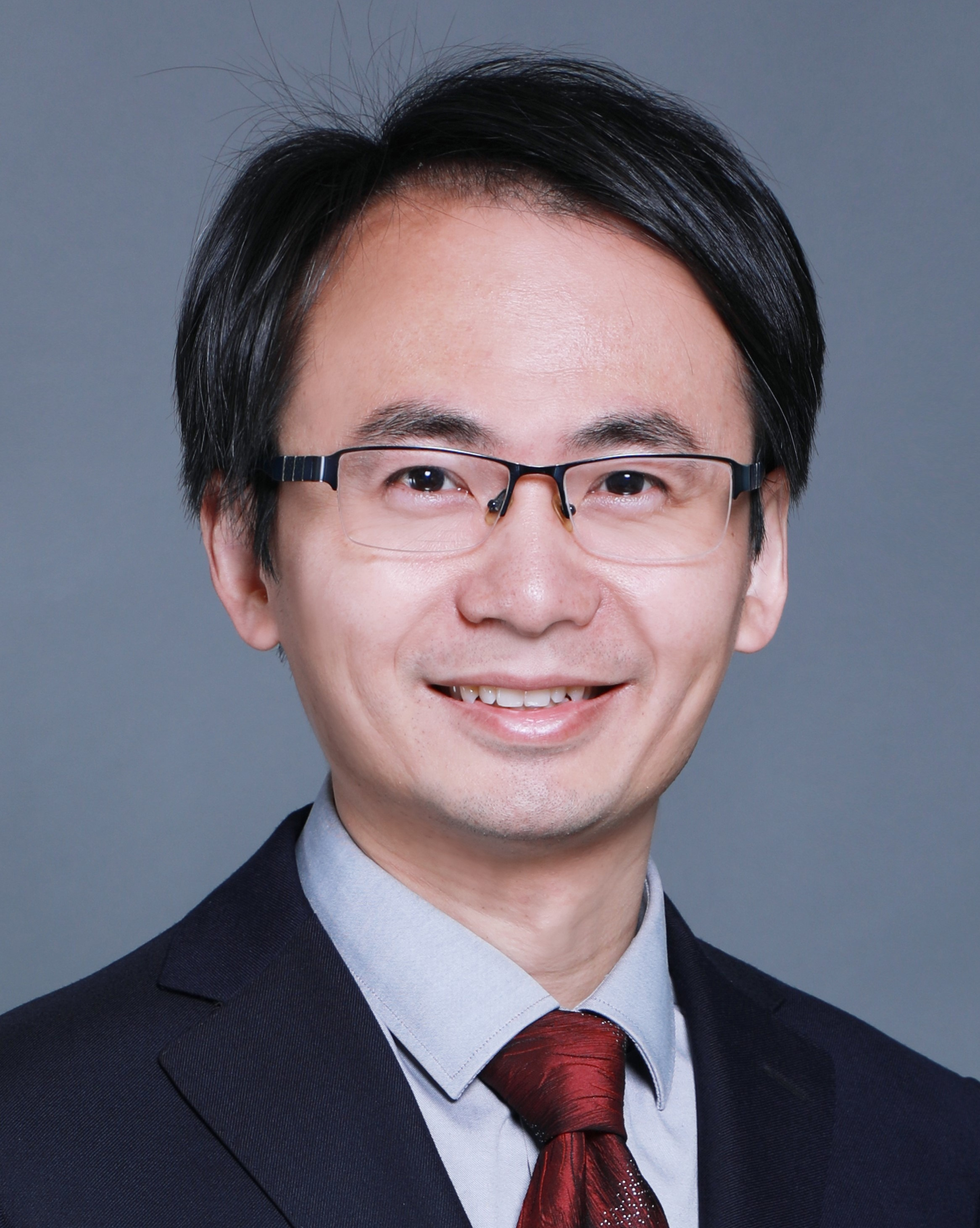
陆韻
长聘副教授、副所长
 邮 箱:luyun@tsinghua.edu.cn
 电 话:010-62796255
 地 点:清华大学中意清华环境节能楼724

个人经历

荣誉奖励
2025年,清华大学首届“素兰育人思政实践奖”。
2022年,获中国环境科学学会环境技术进步奖二等奖,“臭氧和紫外线污水消毒强化关键技术、协同增效工艺与装备”,第9获奖人
2018年,获2017年度北京市高等教育教学成果奖一等奖,“多层次构建全球环境人才培养体系,全方位提升学生国际胜任力”,第9获奖人
2017年,JSWE-IDEA Water Environment International Exchange Award.
2016年,获中国环境科学学会第十一届“优秀环境科技工作者奖”。
2015年,获宝钢优秀教师奖。
2010年,获中国环境科学学会第七届“青年科技奖”。
2003年,获教育部提名国家科学技术一等奖,第三完成人。

学术方向
水中病原微生物检测技术与健康风险
筛选鉴定水中高风险新污染物
有毒有害物质的毒理机理和健康危害
健康风险评价与再生水健康风险控制

研究课题
《玉带河水生态监测及分析评价》,2025.9-2026.2,负责人,9.72万。
环境模拟与污染控制国家重点联合实验室联合基金项目《农村畜禽养殖场病原微生物气溶胶多介质源风险的绿色协同阻控》,2024.12-2026.11,主要参与人,40/49万。
国家自然科学基金重大项目《再生水的生态利用与调控机制》,课题四《再生水生态融合与生态修复机制》,No. 52293444,2023.1-2027-12,主要参与人,89.6/329万。
国家重点研发计划项目《长江黄河流域饮用水病原微生物数据库构建及风险管控技术》,课题五《供水系统病原微生物风险多级屏障管控技术及示范》,No. 2022YFC3204705,2022.11-2026.10,课题负责人,96/258.7万。
日本松下电气设备(中国)有限公司国际合作项目,《松下ZIAINO空间除菌消臭机的安全性检测》,2022.2.17-2023.2.17,负责人,47.5万。
环境模拟与污染控制国家重点联合实验室联合基金项目,《微生物气溶胶电极内过滤-紫外联合消毒技术》,No. 21L02ESPC,2021.5-2023.5,主要参与人,负责20/87.5万。
国家自然科学基金重大疫情的环境安全与次生风险防控重大项目,课题一《环境介质中的病毒识别与传播规律》,No. 52091541,2021.1-2025.12,主要参与人,负责部分40/400万。
国家重点研发计划项目《再生水景观环境利用水质基准与风险控制技术》No. 2018YFC0406300, 3821万,联系人,课题《基于风险控制的水质基准与水质控制目标确定方法》No.2018YFC0406302,2018.7.1-2021.6.30,负责人.
国家自然科学重点基金项目《再生水的生物风险产生机制与控制原理》,No.51738005,2018.1-2022.12,参与部分50万。
国家科技重大专项项目《北京城市副中心高品质水生态建设综合示范项目》下子课题《北运河亲水景观水质安全性评价》,No. 2017ZX07103-004,2017.1-2020.6,主要参与人。
国家自然科学基金面上项目《城市杂用再生水吸入暴露风险因子研究》,No. 21777084,2018.1-2021.12,项目负责人。
国家重点研发计划项目,政府间国际科技创新合作重点专项《再生水安全供水系统与关键技术》,No. 2016YFE0118800,2016.12-2019.12,1675万,主要参与人。
国家重点研发计划项目《京津冀水资源安全保障技术研发集成与示范应用》下课题《京津冀非常规水安全利用技术研发示范》,No. 2016YFC0401405,2016.7-2020.12,主要参与人。
国家自然科学基金面上项目《再生水中新兴雌激素活性消毒副产物的亲和分离鉴定及其生成规律的研究》,No. 21377066, 2014.1-2017.12,项目负责人。
国家高技术研究发展计划(863计划)《再生水的安全性评价与控制技术》,No. 2013AA065205, 2013.1-2015.12,主要参与人。
清华大学自主科研青年教师自主选题基础研究项目,《基于雌激素受体致病机理的污染物筛选与鉴定》,2011.7-2014.6,项目负责人。
环保部水专项(与中国环境科学研究院合作),《重点流域优控污染物水环境质量基准研究》,2012.1-2015.12,参与人。
国家自然科学基金青年科学基金项目《MicroRNA毒理基因组学:雌激素在小鼠体内标准图谱的研究》,2011.1-2013.12,No. 21007030,项目负责人。
教育部留学回国启动基金,《MicroRNA毒理基因组学标准图谱的研究》,2012.1-2012.12,项目负责人。
日本松下公司合作项目,《碱性加氢饮用水胃保护功能研究》,2012.3-2012.12,项目负责人。

发表论文
Liu J-H, Lu Y*, Dao G-H, Wang S-N, Song K-Y, Hu H-Y*. Algal growth potential based nitrogen and phosphorus criteria for bloom control. Water Cycle, 2026, 7:234-241.
Ding R, Wei D, Zhao X, Lu Y, Chen Z, Wu Y, Liao Z, Qi Y, Wang Y, Gao H, Wu F*, Hu HY*. Making waves: Addressing the over-conservatism of the assessment factor method in aquatic ecological risk assessment. Water Research, 2025, 290:125054.
Shi Q, Chen Z*, Cao KF, Huang BH, Lu Y, Hu HY. Automated ozone disinfection control in reclaimed water: the surrogate parameters- and spectral characteristics-based real-time feedback system for microbial inactivation monitoring. ACS ES&T Engineering, 2025, 5(9):2269-2280.
Jin L, Chen M, Chen Z, Li M, Yao M, Lu Y*. Efficient air disinfection achieved by nanowire-modified copper mesh electrodes. ACS ES&T Engineering, 2024, 4:1422-1432.
Ding R, Wu YH, Liao ZT, Lu Y, Wei DB, Chen Z, Hu HY*. Application of the biological toxicity effect ratio (BER) method for advancing water quality criteria derivation. Environmental Science & Technology, 2024, 58(38):16762-16773.
Chen M, Zhang M, Lu Y*. Viral load-dependent masking effect by activated sludge during the aeration process. Chemical Engineering Journal, 2024, 502:158166.
Yan H, Liu J-H, Lu Y*, Wu Y-H, Chen Z*, Hu H-Y. Do all algae grow faster in environments replenished by reclaimed water? Examples of two effluents produced in Beijing. Science of the Total Environment, 2024, 919:170784.
Chen M, Xing Y, Kong J, Wang D*, Lu Y*. Bubble manipulates the release of viral aerosols in aeration. Journal of Hazardous Materials, 2024, 132534.
Kong J, Lu Y∗, Ren Y, Chen M, Liu G, Shi L. The risk factors and threshold level of subchronic inhalation exposure of reclaimed water. Journal of Environmental Sciences, 2024, 137: 639–650.
Zhu K#, Ren H#, Lu Y*. Potential biorisks of Cryptosporidium spp. and Giardia spp. from reclaimed water and countermeasures. Current Pollution Reports, 2022, 8(4): 456-476.
Liu G, Lu Y*, Shi L, Zheng M, Chen M. Chlorine disinfection reduces the exposure risks of inhaled reclaimed water. Environmental Chemistry Letters, 2022, 20(6): 3397-3403.
Song K, Lu Y*, Dao G, Chen Z, Wu Y, Wang S, Liu J, Hu H-Y*. Reclaimed water for landscape water replenishment: Threshold nitrogen and phosphorus concentrations values for bloom control. Algal Research, 2022, 62:102608
Wei FQ, Lu Y*, Shi Q, Chen Z, Li K-X, Zhang T, Shi Y-L, Xu Q, Hu H-Y. A dose optimization method of disinfection units and synergistic effects of combined disinfection in pilot tests. Water Research, 2022, 211:118037.
Chen M, Shi L, Liu G, Wu X, Lu Y*. Aerosol exposure assessment during reclaimed water utilization in China and risk evaluation in case of Legionella. Frontiers of Environmental Science and Engineering, 2022, 16(7):95 (cover story)
Liu G, Lu Y*, Shi L, Kong J, Hu H, Liu W. Trace endotoxin in reclaimed water is only one of the risk sources in subchronic inhalation exposure. Environmental Pollution, 2021, 285:117479.
Kong J, Lu Y*, Ren Y, Chen Z, Chen M. The virus removal in UV irradiation, ozonation and chlorination. Water Cycle, 2021, 2:23-31.
Shi X, Liu G, Shi L, Chen M, Wu X, Zhao J, Lu Y*. The detection efficiency of digital PCR for the virulence genes of waterborne pathogenic bacteria. Water Supply, 2021, 21(5SI):2285-2297.
吴效晋,刘刚,胡洪营,陆韻*。环介导等温扩增检测水源病原菌,环境工程,2021, https://kns.cnki.net/kcms/detail/11.2097.x.20201229.1112.004.html。
史亮亮,陆韻*,陈梦豪,刘刚。再生水病原微生物基准对检测的指导意义,环境工程,2021, 39(3):8-14。
Liu G, Lu Y*, Shi L, Ren Y, Kong J, Zhang M, Chen M, Liu W. TLR4-MyD88 signaling pathway is responsible for acute lung inflammation induced by reclaimed water. Journal of Hazardous Materials, 2020, 396:122586.
Shi J, Liu G, Zhang M, Zhao J, Li H, Yang Z, Bai H, Liang P, Lu Y*. Membrane Sensitive Bacterial DNA Extractions and Absolute Quantitation of Recovery Efficiencies. Science of the Total Environment, 2020, 708:135125.
Liu LH, Zhou XH*, Lu Y, Shi HC, Ma M, Yu T. Triple functional small-molecule-protein conjugate mediated optical biosensor for quantification of estrogenic activities in water samples. Environmental International, 2019, 132, 105091.
Xue J#, Zhang J#, Qiao J*, Lu Y*. Effects of chlorination and combined UV/Cl2 treatment on endotoxin activity and inhalation toxicity of lipopolysaccharide, gram-negative bacteria and reclaimed water. Water Research, 2019, 155:124-130.
Ren Y, Kong J, Xue J, Shi X, Li H, Qiao J*, Lu Y*. Effects of ozonation on the activity of endotoxin and its inhalation toxicity in reclaimed water. Water Research, 2019, 154:153-161.
Du Y, Wu QY*, Lv XT, Ye B, Zhan XM, Lu Y, Hu HY*. Electron donating capacity reduction of dissolved organic matter by solar irradiation reduces the cytotoxicity formation potential during wastewater chlorination. Water Research, 2018, 145:94-102.
Du Y, Wu QY*, Lv XT, Wang QP, Lu Y, Hu HY*. Exposure to solar light reduces cytotoxicity of sewage effluents to mammalian cells: Roles of reactive oxygen and nitrogen species. Water Research, 2018, 143:570-578.
Huo ZY, Li GQ, Yu T, Lu Y, Sun H, Wu YH, Yu C, Xie X*, Hu HY*. Impact of water quality parameters on bacteria inactivation by low-voltage electroporation: mechanism and control. Environmental Science-Water Research & Technology, 2018, 4(6):872-881.
Chen Z, Yu T, Ngo HH, Lu Y, Li GQ, Wu QY, Li KX, Bai Y, Liu SM, Hu HY*. Assimilable organic carbon (AOC) variation in reclaimed water: Insight on biological stability evaluation and control for sustainable water reuse. Bioresource Technology, 2018, 254:290-299.
Feng Y, Ren Z, Wu F, Reichert A, Lu Y*. Optimization of the gram staining method based on superparamagnetic magnetic nanobeads. Journal of Environmental Accounting and Management, 2018, 6(3):263-271.
Yu T, Sun H, Chen Z, Wang Y-H, Huo Z-Y, Ikuno N, Ishii K, Jin Y, Hu H-Y, Wu Y-H*, Lu Y*. Different bacterial species and their extracellular polymeric substances (EPSs) significantly affected reverse osmosis (RO) membrane fouling potentials in wastewater reclamation. Science of the Total Environment, 2018, 644:486-493.
Li G-Q, Huo Z-Y, Wu Q-Y, Lu Y*, Hu H-Y*. Synergistic effect of combined UV-LEDs and chlorine treatment on Bacillus Subtilis spores inactivation. Science of the Total Environment, 2018, 639:1233-1240.
Xue J, Zhang J, Wu Q-Y*, Lu Y*. Sub-chronic inhalation of reclaimed water-induced fibrotic lesion in a mouse model. Water Research, 2018, 139:240-251.
Chen Z, Yu T, Ngo HH, Lu Y, Li G, Wu Q, Li K, Bai Y, Liu S, Hu HY*. Assimilable organic carbon (AOC) variation in reclaimed water: Insight on biological stability evaluation and control for sustainable water reuse. Bioresource Technology, 2018, 254:290-299.
Xu B, Li K, Qiao J, Liungai Z, Chen C*, Lu Y*. UV photoconversion of environmental oestrogen diethylstilbestrol and its persistence in surface water under sunlight. Water Research, 2017, 127:77-85.
Li GQ; Wang WL; Huo ZY; Lu Y*; Hu HY*. Comparison of UV-LED and low pressure UV for water disinfection: photoreactivation and dark repair of Escherichia coli. Water Research, 2017, 126:134-143.
Lv XT, Zhang X, Du Ye, Wu QY*, Lu Y*, Hu HY. Solar light irradiation significantly reduced cytotoxicity and disinfection byproducts in chlorinated reclaimed water. Water Research, 2017, 126:162-169.
Li GQ, Yu T, Wu QY, Lu Y*, Hu HY*. Development of an ATP luminescence-based method for assimilable organic carbon determination in reclaimed water. Water Research, 2017, 123:345-352.
Liu L, Zhou X*, Lu Y*, Shan D, Xu B, He M, Shi H, Qian Y. Facile screening of potential xenoestrogens by an estrogen receptor-based reusable optical biosensor. Biosensors and bioelectronics, 2017, 97:16-20.
Wang WL, Wu QY*, Li ZM, Lu Y, Du Y, Wang T, Huang N, Hu HY*. Light-emitting diodes as an emerging UV source for UV/chlorine oxidation: Carbamazepine degradation and toxicity changes. Chemical Engineering Journal, 2017, 310:148-156.
Du Y, Wu QY*, Lu Y, Hu HY*, Yang Y, Liu R, Liu F. Increase of cytotoxicity during wastewater chlorination: Impact factors and surrogates. Journal of Hazardous Materials, 2017, 324:681-690.
Yu T, Meng L, Zhao Q-B, Shi Ye, Hu H-Y, Lu Y*. Effects of chemical cleaning on RO membrane inorganic, organic and microbial foulant removal in a full-scale plant for municipal wastewater reclamation. Water Research, 2017, 113:1-10.
Yu T, Li GQ, Lin WQ, Hu H-Y, Lu Y*. Coagulation increased the growth potential of various species bacteria of the effluent of a MBR for the treatment of domestic wastewater. Environmental Science and Pollution Research, 2017, 24(6):5126-5133.
Huo ZY, Xie X*, Yu T, Lu Y, Feng C, Hu HY*. Nanowire-Modified Three-Dimensional Electrode Enabling Low-Voltage Electroporation for Water Disinfection. Environmental Science & Technology, 2016, 50(14):7641-7649.
Xue J, Zhang J, Xu B, Xie J, Wu W, Lu Y*. Endotoxins: the critical risk factor in reclaimed water via inhalation exposure. Environmental Science & Technology, 2016, 50:11957-11964.
Duan R, Lu Y*, Hou L, Du L, Sun L, Tang X. U-shaped microRNA expression pattern could be a new concept biomarker for environmental estrogen. Frontiers of Environmental Science & Engineering, 2016, 10(6):11.
Li M, Xu B, Liungai Z, Hu H-Y, Qiao J*, Lu Y*. The removal of estrogenic activity with UV/chlorine technology and identification of novel estrogenic disinfection by-products. Journal of Hazardous Materials, 2016, 307:119-126.
Zhang J, Xue J, Xu B, Xie J, Qiao J*, Lu Y*. Inhibition of Lipopolysaccharide Induced Acute Inflammation in Lung by Chlorination. Journal of Hazardous Materials, 2016, 303:131-136.
Yang Y, Lu Y*, Wu QY, Hu H-Y*, Chen YH, Liu WL. Evidence of ATP assay as an appropriate alternative of MTT assay for cytotoxicity of secondary effluents from WWTPs. Ecotoxicology and Environmental Safety, 2015, 122:490-496.
Shang G, Xue J, Li M, Hu H-Y, Lu Y*. Estrogen receptor affinity chromatography: a new method for characterization of novel estrogenic disinfection by-products. Chemosphere, 2014, 104:251-257.
Xue J, Shang G, Tanaka Y, Saihara Y, Hou L, Velasquez N, Liu W, Lu Y*. Dose-dependent inhibition of gastric injury by hydrogen in alkaline electrolyzed drinking water, BMC Complementary and Alternative Medicine, 2014, 14:81.
Wu Y-H, Hu H-Y*, Yu Y, Zhang T-Y, Zhu S-F, Zhuang L-L, Zhang X, Lu Y. Microalgal species for sustainable biomass/lipid production using wastewater as resource: A review. Renewable and Sustainable Energy Reviews, 2014, 33:675-688.
Hou LY, Lu Y*, Li Y, Li L. MiRNA-451 is a potential biomarker for estrogenicity in mouse uterus. Frontiers of Environmental Science and Engineering, 2014, 8(1):99-105.
Liu KC, Jiang M, Lu Y, Chen H, Sun J, Wu SP, Ku WY, Nakagawa H, Kita Y, Natsugoe S, Peters JH, Rustgi AK, Onaitis MW, Kiernan A, Chen XX, Que JW*. Sox2 Cooperates with Inflammation-Mediated Stat3 Activation in the Malignant Transformation of Foregut Basal Progenitor Cells. Cell Stem Cell, 2013, 12(3):304-315.
Xue J, Lu Y*, Velasquez N, Yu R-Z, Hu H-Y, Liu Z-T, Meng W. Introduction of risk size in the determination of uncertainty factor UFL in risk assessment. Environmental Research Letters, 2012, 7(3):034036. (IF 3.906)
Xu, X; Rock, JR; Lu, Y; Futtner, C; Schwab, B; Guinney, J; Hogan, BLM; Onaitis, MW*. Evidence for type II cells as cells of origin of K-Ras-induced distal lung adenocarcinoma. PNAS, 2012, 109(13): 4910-4915.
Huang J-J, Hu H-Y*, Wu YH, Wei B, Lu Y. Effect of chlorination and ultraviolet disinfection on tetA-mediated tetracycline resistance of Escherichia coli. Chemosphere, 2012, 90(8):2247-2253.
Huang J-J, Hu H-Y*, Lu SQ, Li Y, Tang F, Lu Y, Wei B. Monitoring and evaluation of antibiotic-resistant bacteria at a municipal wastewater treatment plant in China. Environmental International, 2012, 42:31-36.
Huang J-J, Hu H-Y*, Tang F, Li Y, Lu SQ, Lu Y. Inactivation and reactivation of antibiotic-resistant bacteria by chlorination in secondary effluents of a municipal wastewater treatment plant. Water Research, 2011, 45(9):2775-2781.
Lu Y, Futtner C, Rock JR, Xu X, Whitworth W, Hogan BLM, Onaitis MW*. Evidence that SOX2 overexpression is oncogenic in the Lung. Plos One 2010;5:-. (IF 3.234)
Lu Y*, Hou L, Hu H-Y, Li L. Progress in toxicogenomics. Ecology and Environmental Sciences, 2010, 19(9):2232-2239.
Rock JR, Onaitis MW, Rawlins EL, Lu Y, Clark CP, Xue Y, Randell SH, Hogan BLM*. Basal cells as stem cells of the mouse trachea and human airway epithelium. Proceedings of the National Academy of Sciences of the United States of America 2009;106:12771-12775.
Erhunmwunsee L, Lu Y, Luo XY, Harpole DH, Hogan BLM, Onaitis MW*. Basal cells in lung cancer. Journal of the American college of surgeons, 2008, 207(3):S30-S30.
Lu Y, Thomson JM, Wong HY, Hammond SM, Hogan BL*. Transgenic over-expression of the microRNA miR-17-92 cluster promotes proliferation and inhibits differentiation of lung epithelial progenitor cells. Dev Biol. 2007 Oct 15;310(2):442-53. Epub 2007 Aug 9.
Zhang G, Lu H, Lu Y, Jiang S, Chen YH*. Neutralization of HIV-1 primary isolate by ELDKWA-specific murine monoclonal antibodies. Immunobiology. 2005;210(9):639-45.
Liu W, Zou P, Ding J, Lu Y, Chen YH*. Sequence comparison between the extracellular domain of M2 protein human and avian influenza A virus provides new information for bivalent influenza vaccine design. Microbes Infect. 2005 Feb;7(2):171-7. Epub 2004 Dec 25.
Liu W, Peng Z, Liu Z, Lu Y, Ding J, Chen YH*. High epitope density in a single recombinant protein molecule of the extracellular domain of influenza A virus M2 protein significantly enhances protective immunity. Vaccine. 2004 Dec 2;23(3):366-71.
Lu Y, Chen YH*. Spike protein homology between the SARS-associated virus and murine hepatitis virus implies existence of a putative receptor-binding region. Chinese Science Bulletin, 2003, 48(11):1115-1117
Liu WL, Lu Y, Chen YH*. Bioinformatics analysis of SARS-CoV M protein provides information for vaccine development. Progress in Natural Science, 2003, 13(11):844-847
Lu Y, Ding J, Liu WL, Chen YH*. A candidate vaccine against influenza virus intensively improved the immunogenicity of a neutralizing Epitope. International Archives of Allergy and Immunology, 2002, 127(3):245-250
Lu Y, Ding J, Chen YH*. Immunogenicity and specificity of the candidate multi-epitope-vaccines against HIV-1. Immunopharmacology and Immunotoxicology, 2001, 23(4):487-494
Xiao Y, Lu Y, Chen YH*. Epitope-vaccine as a new strategy against HIV-1 mutation. Immunology Letters, 2001, 77:3-6
Ding J, He F, Lu Y, Xiao Y, Chen YH*. Induction of multi-epitope-specific antibodies against HIV-1 by multi-epitope-vaccines. Chinese Science Bulletin, 2001, 46(22):1859-1864
Yang HW, Xiao Y, Lu Y, Chen YH*. Characterization of interaction between C-domain on HIV-1 gp41 and the putative receptor protein p62. Immunobiology, 2001, 203(5):778-785
Lu Y, Xiao Y, Ding J, Dierich MP, Chen YH*. Immunogenicity of neutralizing epitopes on multiple-epitope- vaccines against HIV-1. International Archives of Allergy and Immunology, 2000, 121(1):80-84
Lu Y, Ding J, Xiao Y, Chen Y*. Multi-epitope-vaccines intensively increased levels of antibodies recognizing three neutralizing epitopes on HIV –1 envelop protein. Scandinavian Journal of Immunology, 2000, 51(5):497-501
Liao MF, Lu Y, Xiao Y, Dierich MP, Chen YH*. Induction of high level of specific antibody response to the neutralizing epitope ELDKWA on HIV-1 gp41 by peptide-vaccine. Peptides, 2000, 21(4):463-468
Ding J, Lu Y, Chen YH*. Candidate multi-epitope-vaccines in aluminium adjuvant induce high levels of antibodies with predefined multi-epitope-specificity against HIV-1. FEMS Immunology and Medical Microbiology 2000, 29(2):123-127
Xiao Y, Liao MF, Lu Y, Dierich MP, Chen YH*. Epitope-vaccines:A new strategy to induce high levels of neutralizing antibodies against HIV-1. Immunobiology, 2000, 201(3-4):323-331
Xiao Y, Zhao YX, Lu Y, Chen YH*. Epitope-vaccine induced high levels of ELDKWA-epitope-specific neutralizing antibody. Immunological Investigation, 2000, 29(1):41-50
友情链接
联系我们
地址 : 北京市海淀区清华大学环境学院
邮编 : 100084
邮箱 : hjx@tsinghua.edu.cn
电话 : +86-10-62784521
传真 : +86-10-62785687

环境学院公众号

本科生公众号

研究生公众号
Copyright © 2017 清华大学环境学院 版权所有